When evaluating cassava cleaning machine price, buyers should look beyond the machine's purchase cost. Capacity, raw cassava condition, washing method, machine material, water requirements, automation level, and integration with other processing equipment can all affect the final quotation. A suitable cleaning system should remove mud, sand, stones, and other surface impurities while matching the throughput and requirements of the downstream cassava process.
What Determines Cassava Cleaning Machine Price?
When comparing cassava cleaning machine price, buyers should first define the cleaning requirements of the production line. A machine designed for removing loose soil and sand may have a different configuration from one that combines washing with peeling. Capacity, washing method, material, automation, and customization can all influence the final quotation.
For an industrial cassava processing project, several factors should be considered together:
Processing capacity: Higher throughput generally requires a larger washing chamber, stronger drive system, and suitable feeding and discharge arrangements.
Washing method: Paddle washing, cage washing, and combined washing and peeling use different working principles and configurations, which can affect equipment cost.
Machine material: Stainless steel may be specified for food-contact areas, while other structural components can be selected according to the application and operating environment.
Automation requirements: Automatic feeding, conveying, speed control, and connection with upstream or downstream equipment can increase the overall system configuration.
Customization: Voltage, machine dimensions, feeding direction, discharge arrangement, and integration with an existing processing line may require project-specific adjustments.
Capacity is also an important part of the quotation. For example, GOODWAY's paddle washer is listed with a processing capacity of 3–20 tons/hour, while its cassava peeling and washing machine is listed at 4–6 tons/hour. These differences show why buyers should compare equipment based on the actual production target and required washing function rather than looking at machine price alone.
How Capacity and Raw Cassava Conditions Affect the Quote
Capacity should be calculated from the actual quantity of fresh cassava that needs to be processed per hour. Selecting a machine only according to a target annual output can lead to an unsuitable configuration if the daily operating schedule, working hours, or upstream feeding rate are different.
Raw cassava conditions also matter. Fresh roots may arrive with different levels of soil, sand, stones, peel, moisture, and size variation. A relatively clean raw material may require a different washing arrangement from cassava carrying substantial field soil.
| Project Factor | Why It Matters to the Quote |
| Required throughput | Determines machine size and processing configuration |
| Soil and sand level | Influences washing intensity and equipment arrangement |
| Root size and condition | Affects feeding and washing performance |
| Peeling requirement | May require combined washing and peeling equipment |
| Operating hours | Helps determine practical production capacity |
| Downstream equipment | Determines required discharge and conveying arrangement |
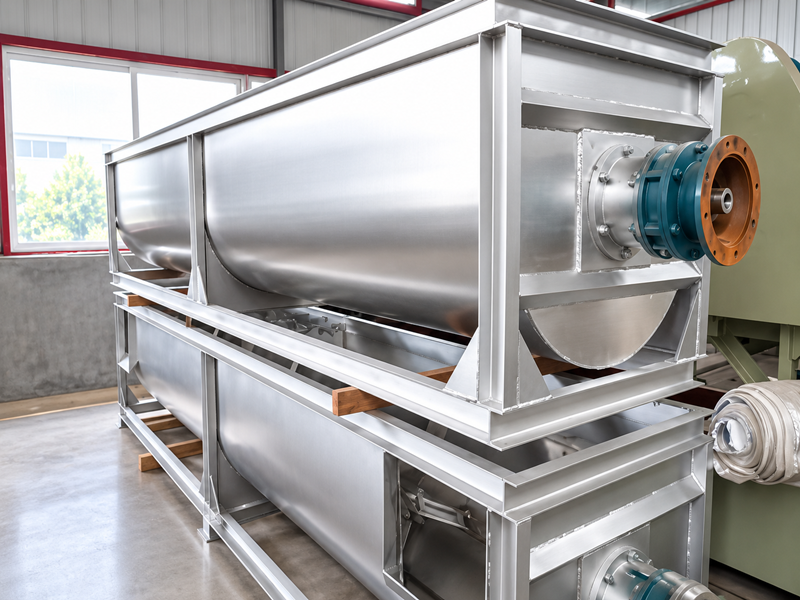
For example, GOODWAY's paddle washer uses mixing blades inside a U-shaped water-containing tray. Its working action combines mixing, friction, rubbing, throwing, and impact to remove surface impurities without intentionally breaking the raw material.
Paddle Washer, Peeler or Integrated Washing Line?
The choice between a dedicated washer and combined equipment depends on whether the process needs cleaning alone or cleaning plus peeling.
A paddle washer is appropriate when the primary objective is removing surface mud and sand. GOODWAY lists its GD-JY-350 paddle washer at 3–20 tons/hour.
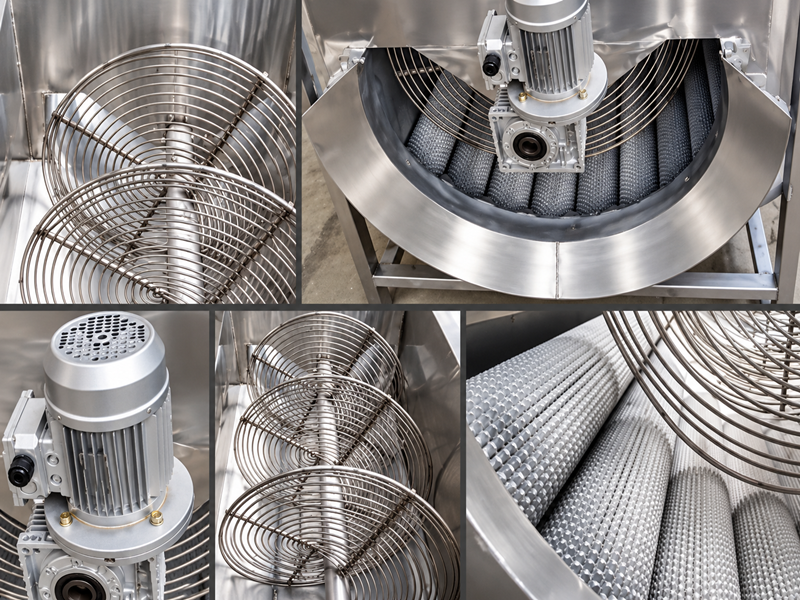
A cassava peeling machine is more suitable when the process also requires peel removal. GOODWAY's peeling and washing equipment uses rotary brushes and a screw-type feeding structure, with adjustable discharge speed to help control the peeling process.
For a line where washing and peeling need to be completed in a connected stage, a combined machine can reduce the need for separate equipment and intermediate handling. The appropriate choice therefore depends on the raw material condition and the requirements of the final cassava product.
Material, Water Use and Automation Factors to Compare
Machine specifications should be compared together rather than focusing only on cassava cleaning machine price. Two machines with similar nominal capacity can have different configurations, materials, power requirements, and operating characteristics.
Important factors include:
Contact material: GOODWAY's cassava peeling and washing machine uses 304 stainless steel for the machine body and food-contact areas.
Water arrangement: Buyers should determine how water enters the machine, how dirty water is discharged, and whether water circulation or treatment is required.
Drive system: Motor power, rotating speed, and transmission configuration should correspond to the required washing intensity.
Cleaning access: Openings, internal structure, and removable components can influence routine cleaning and maintenance.
Automation: Variable-frequency speed control, automatic conveying, and connection with other machines may be relevant for continuous processing.
These specifications can have a direct effect on the equipment quotation and should therefore be defined before comparing supplier offers.
What to Include in an RFQ to Cassava Cleaning Machine Suppliers
A useful RFQ should provide enough information for suppliers to calculate a realistic configuration instead of returning a generic machine price. When contacting cassava cleaning machine suppliers, buyers should include the expected hourly capacity, raw cassava condition, required cleaning or peeling functions, preferred material, available power supply, and downstream process.
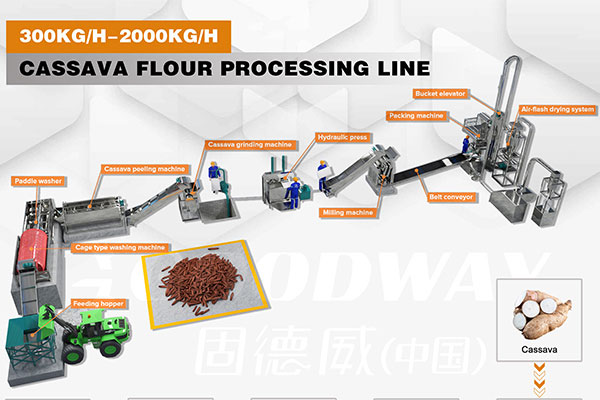
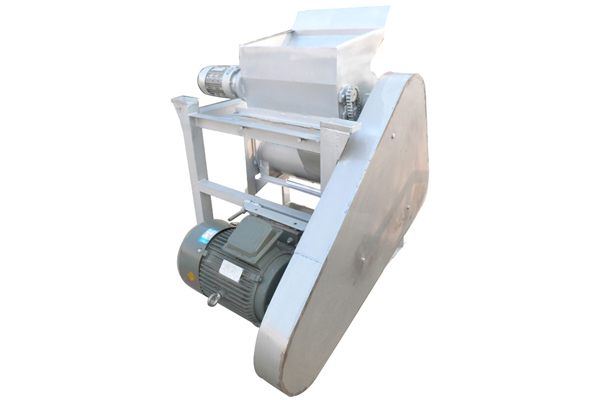
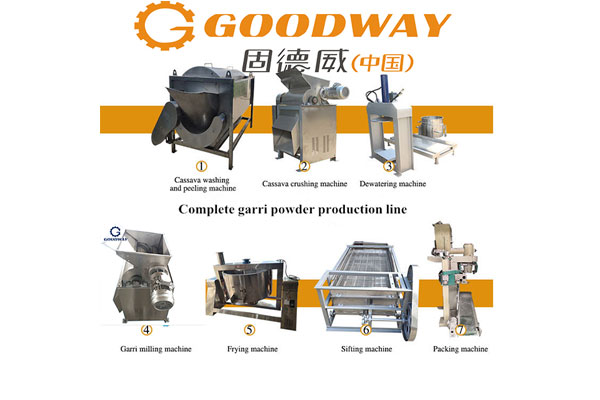
It is also useful to specify whether the machine will operate independently or as part of a complete cassava processing line. GOODWAY's product range includes washing, peeling, crushing, sieving, drying, and other processing equipment, so the connection requirements between stages can be considered during project planning.
A quotation request can therefore include the following information in one clear specification:
Raw material → required capacity → cleaning objective → peeling requirement → machine material → power supply → water conditions → downstream equipment → installation space.
The more complete this information is, the easier it is to compare quotations on an equivalent basis.
Conclusion
Cassava cleaning machine price should be evaluated together with capacity, raw material conditions, washing method, materials, water use, and automation. Rather than selecting equipment based only on the lowest quotation, buyers should first define the processing requirements and then compare machines with equivalent specifications. This approach makes it easier to select a cleaning system that fits the actual cassava processing workflow and future production needs.
FAQ: Cassava Cleaning Machine Price and Selection
How much does a cassava cleaning machine cost?
There is no single applicable price because capacity, machine type, material, automation, and customization can significantly change the configuration. A project-specific quotation is more useful than a generic price.
What capacity does a cassava paddle washer have?
GOODWAY lists its GD-JY-350 cassava paddle washer with a processing capacity of 3–20 tons/hour.
Can a cassava washing machine also peel cassava?
Yes. Combined peeling and washing machines are available for applications requiring both functions. GOODWAY lists its cassava peeling and washing machine at 4–6 tons/hour.
What information should I provide when requesting a quotation?
Provide the target capacity, raw cassava condition, cleaning and peeling requirements, material preference, power supply, water conditions, and information about connected processing equipment.
 EN
EN
 fr
fr  es
es  it
it  pt
pt