If you are asking how much is garri processing machine, there is no single accurate price that applies to every project. A small operation buying a grater and fryer has a very different investment requirement from a commercial factory using washing, peeling, grating, dewatering, frying and packing equipment.
The final garri processing machine price depends on capacity, automation, equipment configuration, material, utilities and customization. Buyers should therefore define raw cassava input, expected output and required automation before comparing quotations.
How Much Does a Garri Processing Machine Cost?
The cost of a garri processing machine depends on whether you need individual equipment or a complete production line and how much cassava the system must process.
A buyer purchasing only washing, grating or frying equipment will invest far less than a processor building a complete automated line. This is why searching how much is garri processing machine without specifying capacity often produces quotations that cannot be compared directly.
Goodway has supplied projects at different scales, including a 500 kg/hour output garri processing machine in Ghana and a 1 ton/hour output garri processing plant in Nigeria, illustrating how capacity can vary significantly between projects.
For an accurate garri processing machine cost, the quotation should specify exactly which machines, motors, conveyors, controls and services are included.
What Determines Garri Processing Machine Price?
Garri processing machine price is mainly determined by capacity, automation level, materials, equipment configuration and project-specific requirements.
The major cost factors are:
-
Processing capacity: Larger washing, peeling, grating and frying systems require larger motors and structures.
-
Automation: Conveyors, automatic feeding and coordinated controls reduce labor but increase initial investment.
-
Machine material: Food-contact stainless steel generally costs more than basic carbon-steel construction.
-
Line configuration: A grater alone costs far less than a washing-to-packing system.
-
Power and heat source: Electricity, gas and local utility conditions affect equipment configuration.
-
Customization: Layout, voltage, factory space and customer-specific requirements can change the design.
Price comparison should therefore be specification-to-specification, not simply supplier-to-supplier.
Single Machines vs Complete Garri Processing Line: What Do You Need?
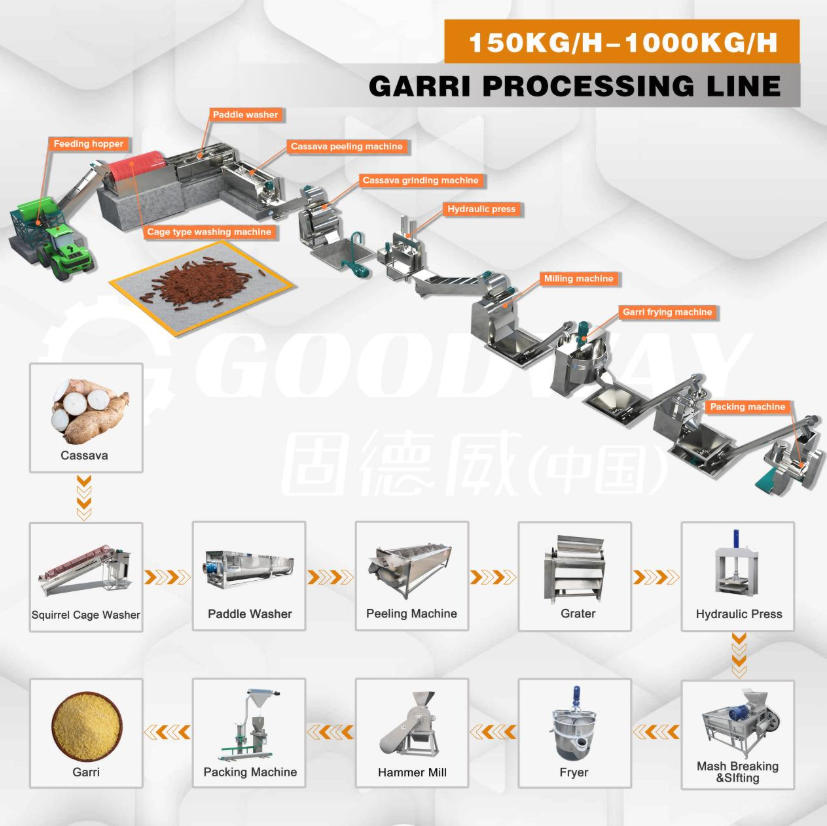
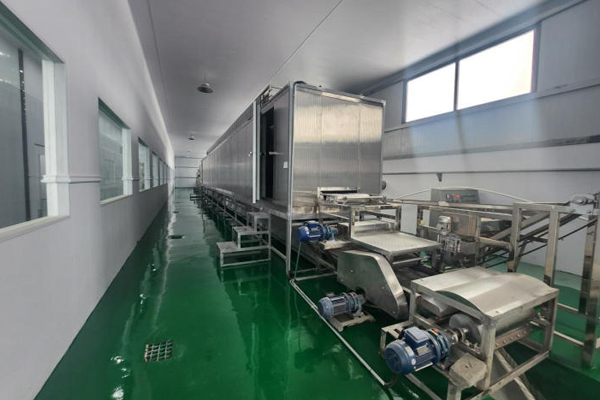
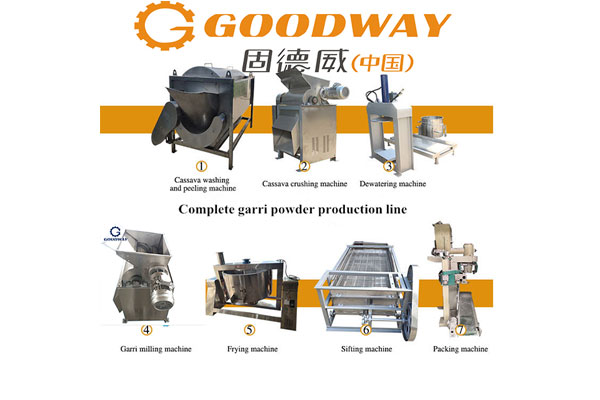
A complete garri processing machine system combines several processing stages, while individual machines are suitable when some operations are already available or performed manually.
Processing Stage
|
Single-Machine Setup
|
Complete Line
|
Washing / peeling
|
Optional
|
Integrated
|
Grating
|
Required
|
Integrated
|
Dewatering
|
Manual or machine
|
Integrated
|
Frying
|
Separate
|
Integrated
|
Conveying
|
Limited
|
Usually included
|
Labor requirement
|
Higher
|
Lower
|
Initial investment
|
Lower
|
Higher
|
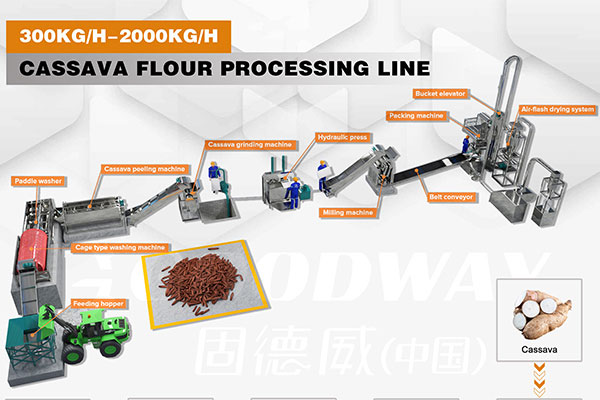
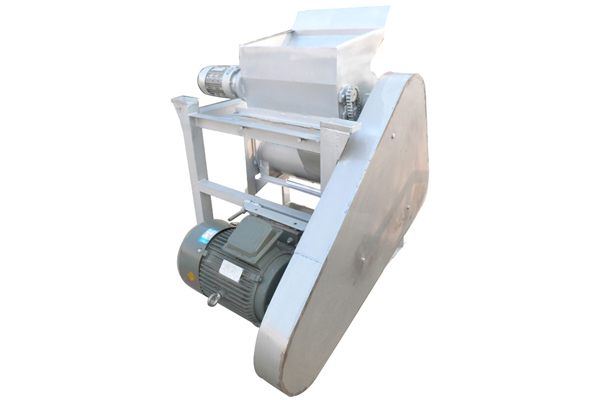
A typical mechanized process can include peeling, grating, pressing or dewatering, sieving and frying. Goodway's equipment range includes peeling machines from 500 to 2,000 kg/hour, while its listed hydraulic pressing machine is rated at 200–300 kg/hour, showing why individual machine capacities need to be balanced when designing a line.
A garri processing plant is therefore more than several machines placed together; each stage should be sized so one process does not become the bottleneck.
Small-Scale vs Commercial Garri Processing Equipment
A small scale garri processing machine focuses on manageable investment and simpler operation, while commercial equipment prioritizes continuous output, reduced labor and process consistency.
For a small business, manual feeding combined with mechanized grating, pressing and frying may provide a practical entry point. This reduces initial investment while mechanizing the most labor-intensive operations.
Commercial lines usually add automatic conveyors, larger-capacity washing and peeling systems, coordinated feeding and higher-capacity frying equipment. The investment is higher, but labor per kilogram can fall and production becomes easier to standardize.
The correct choice depends on how much fresh cassava is available every day. Buying equipment much larger than the reliable raw-material supply can leave expensive capacity unused.
How Production Capacity Affects Garri Processing Plant Cost
Garri processing plant cost increases with capacity because larger throughput requires bigger machines, motors, conveyors, structures and supporting utilities.
Buyers should calculate capacity from available cassava rather than selecting a machine because a higher tonnage sounds more commercial. A plant supplied with 5 tons of cassava per day does not need the same equipment as a processor receiving 30 or 50 tons.
Capacity should also be balanced across stages. If the grater processes cassava faster than the press or fryer, material accumulates and actual line output remains limited by the slowest section.
Goodway's existing projects at 500 kg/hour and 1 ton/hour finished garri output demonstrate that commercial capacity can be configured around different business scales rather than one standard line size.
How Garri Frying Equipment Affects Total Line Cost
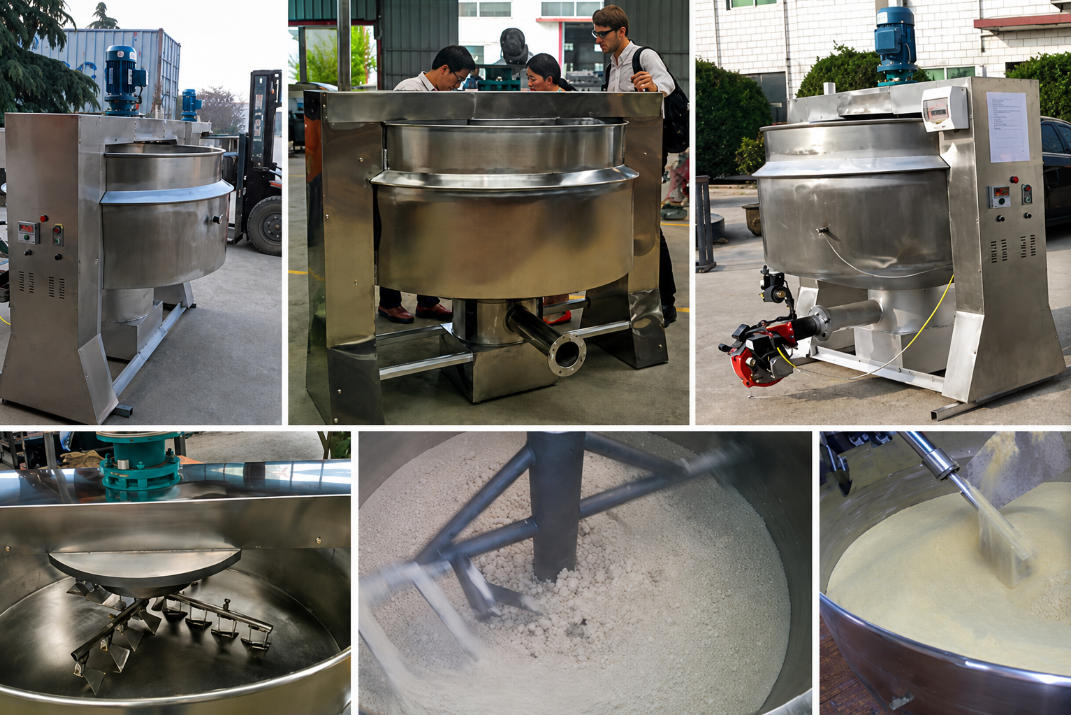
The garri fryer machine can significantly affect total investment because frying capacity, heating method and automation influence both equipment price and operating cost.
Frying is a critical stage because it affects moisture removal, texture and final garri quality. Goodway's listed cassava garri fryer is available with electric or gas heating and a published capacity of 150–200 kg/hour. Its listed operating temperature is 150–180°C.
The electric model lists 18 kW power, while the gas-heated version uses a much smaller electrical motor load because heat is supplied separately.This is why local electricity and fuel prices should be considered before choosing the fryer.
How to Estimate Operating Cost and Garri Processing ROI
The cost of starting a garri processing business includes equipment investment plus recurring raw material, labor, energy, maintenance and packaging expenses.
A simple evaluation can use:
Monthly gross margin = Garri sales revenue − cassava − labor − energy − packaging − maintenance
Then:
Simple payback period = Initial project investment ÷ monthly operating profit
The calculation should use realistic local data. Raw cassava price, garri selling price and labor cost can change significantly by region and season.
Automation may increase equipment cost but reduce manual labor. Conversely, a small semi-automatic line can have a lower entry cost but require more workers per ton of finished product.
What Information Should Buyers Provide for an Accurate Quote?
An accurate garri processing machine price requires clear information about capacity, utilities, automation and project conditions.
A useful RFQ should include:
-
Fresh cassava input per day or hour
-
Target finished garri output
-
Required automation level
-
Preferred fryer heat source
-
Local voltage and frequency
-
Available factory dimensions
-
Required machines or complete line
-
Target budget and project schedule
Goodway can then size individual stages around the same production target rather than quoting unrelated equipment capacities.
Conclusion
If you want to know how much is garri processing machine, start by defining capacity and line configuration. The garri processing plant cost changes considerably between a small semi-mechanized setup and a commercial automated production line.
The most useful quotation is therefore not the lowest number. It is the proposal that clearly matches raw cassava supply, target output, automation, frying method, utilities and expected operating cost.
FAQ About Garri Processing Machine Cost
How much is garri processing machine?
There is no universal price; capacity, equipment combination and automation determine the quotation.
Can I start with only a few garri machines?
Yes. Small processors can mechanize key stages first and expand later.
Is a complete garri line more economical?
For higher continuous output, integrated equipment can reduce labor and handling between stages.
What capacity should I choose?
Choose capacity according to reliable daily cassava supply and expected market demand.
Does installation affect the total project cost?
Yes. Site preparation, utilities, transport, installation and commissioning should be considered in the total investment.
 EN
EN
 fr
fr  es
es  it
it  pt
pt