Choosing cassava processing machines should begin with the final product, not with a list of available equipment. Cassava flour, starch, garri and chips all start with fresh cassava roots, but their processing routes become very different after washing and peeling.
A flour factory needs grinding, dewatering, drying and milling. Starch production requires extraction, fiber separation and refining. Garri adds fermentation or pressing and frying, while chips need cutting and drying rather than starch extraction.
For buyers, defining the finished product, daily raw-material supply and target output first is the easiest way to avoid buying unnecessary equipment or creating bottlenecks in the line.
What Cassava Processing Machines Do You Actually Need?
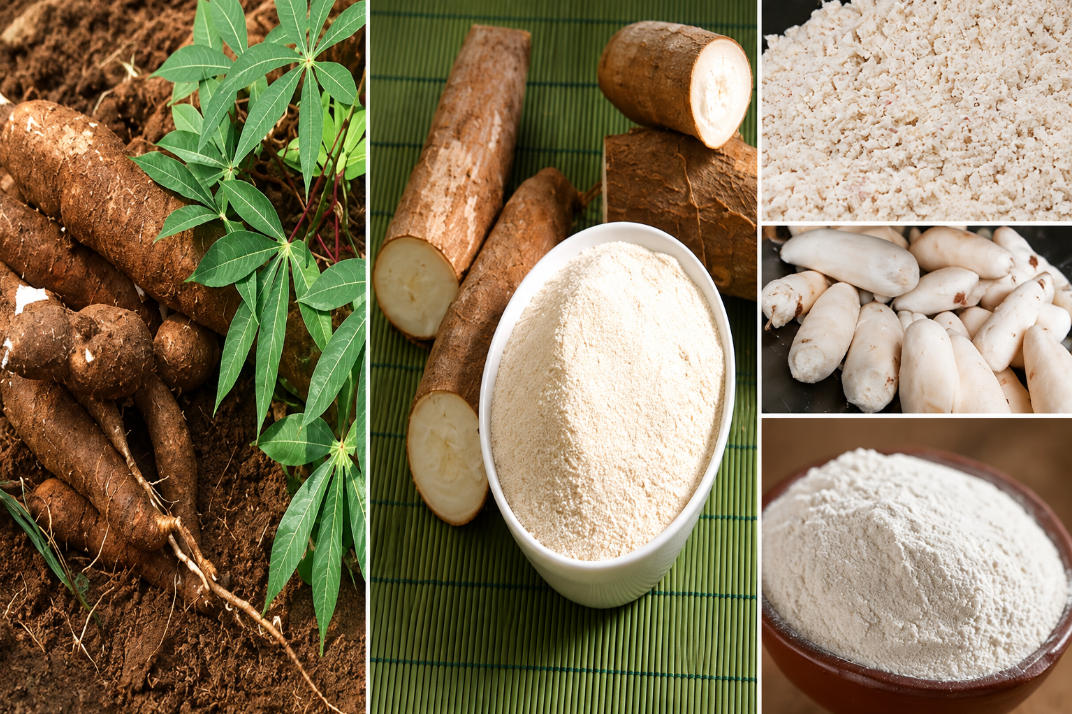
The cassava processing machines you need are determined mainly by the final product and the level of processing required after washing and peeling.
A practical starting point is:
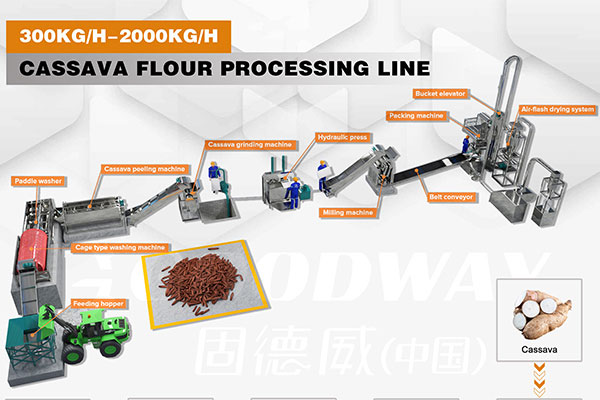
Cassava flour: washing → peeling → grinding → dewatering → drying → milling → packing.
Cassava starch: washing → rasping → screening → refining → dewatering → flash drying → packing.
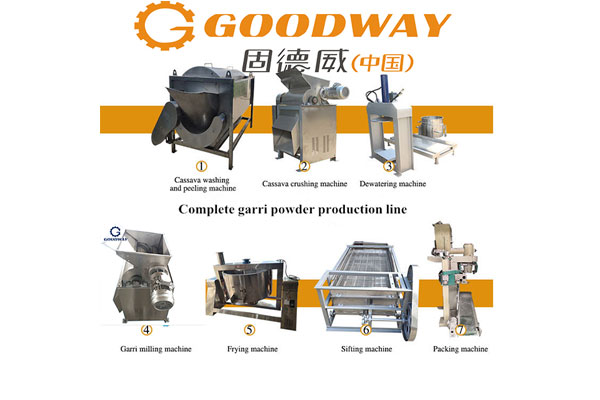
Garri: washing → peeling → grating → pressing/dewatering → breaking/sieving → frying → packing.
Cassava chips: washing → peeling → slicing → drying → grading/packing.
Goodway supplies both individual cassava processing machine units and complete processing plants. Its published equipment range includes washers, peelers, grinders, sieving machines, dewatering systems, dryers and specialized equipment for starch, flour, garri and chips.
This makes the process flow more important than simply selecting the machine with the highest capacity.
Cassava Flour Processing Machines: What Equipment Is Required?
A cassava flour processing machine line converts the whole peeled cassava root into dried and milled flour while retaining more of the root solids than starch processing.
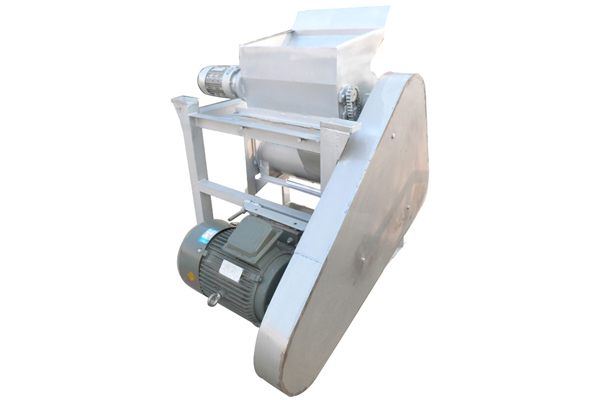
The process normally starts with washing and peeling, followed by grinding or crushing. The wet mash is then dewatered, dried and milled into fine flour before screening and packaging.
Goodway's current cassava flour processing machine range lists complete lines with finished-output capacities of approximately 300–2,000 kg/h. Its process uses hydraulic dewatering and flash drying before precision milling and screening.
For flour production, buyers should pay particular attention to final moisture, milling fineness and dryer capacity. A powerful grinder adds little value if the downstream dewatering or drying system cannot handle the same material flow.
Cassava Starch Processing Machines: How Is the Line Different?
A cassava starch processing machine line separates starch granules from fiber and soluble material, making it more separation-intensive than cassava flour production.
After washing, cassava roots are rasped into slurry to release starch. The slurry then passes through screening and fiber separation before refining, dewatering and drying.
The distinction is important because flour retains much of the root material, while starch production aims to isolate and purify the starch fraction. The FAO description of cassava starch processing similarly separates the process into extraction and purification stages, including washing, rasping, straining and subsequent purification.
Modern Goodway starch lines add centrifugal screens, desanding and multi-stage hydrocyclone refining. Its published line capacity is also approximately 300–2,000 kg/h finished starch, while the hydrocyclone system can use 12–14 refining stages.
What Machines Are Needed for Garri Processing?
Garri processing machinery differs from flour and starch equipment because grating, mash dewatering and frying are central to the production process.
Fresh roots are washed and peeled before grating. The cassava mash is then pressed or dewatered before breaking and sieving, followed by frying or roasting to produce the characteristic dry granular product.
Goodway's garri processing machinery includes washing and peeling equipment, graters, hydraulic dewatering machines, milling or breaking equipment, fryers, sieves and packaging machines.
The fryer deserves particular attention when sizing a complete line because frying capacity must match the amount of dewatered mash arriving from upstream equipment. A line with oversized washing and grating machines but an undersized fryer will still operate at the fryer's effective throughput.
How to Choose Cassava Processing Capacity
Cassava processing machine capacity should be selected from reliable raw-cassava supply, working hours and required finished-product output.
A buyer with access to 5 tons of cassava per day has very different requirements from a processor sourcing 50 tons. Equipment should therefore be sized around realistic supply rather than future maximum ambitions alone.
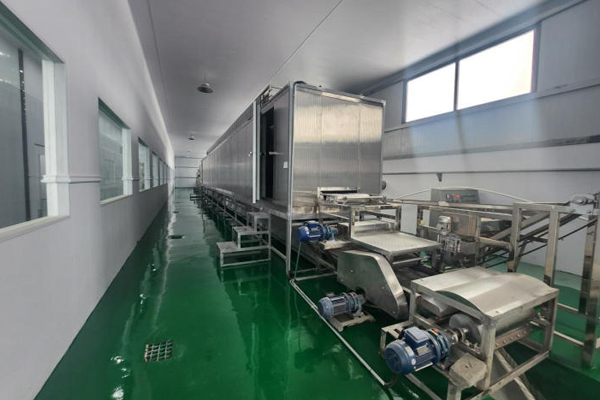
Different stages also use different capacity units. Goodway publishes washing equipment from approximately 3–20 tons/h, grinding equipment around 3–6 tons/h, and airflow drying systems with finished drying capacities from roughly 100–2,000 kg/h.
The key is line balance: each stage should support the same production target without creating excessive idle capacity or material accumulation.
Automatic vs Semi-Automatic Cassava Processing Equipment
The choice between automatic and semi-automatic cassava processing equipment depends on labor cost, production consistency, investment budget and future expansion plans.
Buyers should compare:
Labor requirement: semi-automatic lines need more manual feeding and material transfer.
Consistency: automatic conveying and controls can reduce variation between batches.
Initial investment: semi-automatic configurations generally require less capital.
Scale: continuous commercial production usually benefits more from automation.
Maintenance: simpler systems may be easier to maintain where technical support is limited.
Expansion: modular equipment can allow capacity to increase in stages.
For a new processor, partial automation may be more practical than immediately installing the largest complete line. The best configuration is the one the factory can operate and maintain consistently.
How Much Does Cassava Processing Equipment Cost?
Cassava processing machine price depends on product type, capacity, automation, equipment quantity, material and project scope, so there is no reliable universal price.
A flour line and starch line with the same final output can differ substantially in investment because starch production requires more separation and refining equipment. Likewise, a complete garri line including frying and packing costs more than purchasing only a grater and press.
Buyers should compare quotations based on what is actually included: motors, conveyors, controls, stainless-steel contact parts, installation, commissioning and spare parts can all change the total project cost.
This makes specification-to-specification comparison much more useful than comparing one headline price.
How to Choose a Cassava Processing Machine Manufacturer
Cassava processing machines manufacturers should be evaluated by engineering capability, relevant project experience, customization and after-sales support rather than machine price alone.
Goodway states that it has focused on cassava and potato processing equipment since 1991, supplying single machines and complete plants for flour, starch, garri, chips, fufu and other cassava products.
Before selecting a supplier, buyers should ask for a process flow based on their raw material, target capacity and finished product. Layout design, local voltage, available water, heat source, factory dimensions and installation conditions should be discussed before the equipment configuration is finalized.
Conclusion
Choosing the correct cassava processing machine starts with one decision: what final product do you want to manufacture?
Flour, starch, garri and chips require different processing stages, so capacity and automation should be designed around the selected product, daily cassava supply and required output. Buyers should compare complete process configurations rather than individual machine prices and confirm that every stage of the line is properly balanced.
FAQ About Cassava Processing Machines
Can one cassava line produce both flour and starch?
Some upstream equipment can be shared, but flour and starch require different downstream processes, particularly extraction and refining.
What capacity should a new cassava factory choose?
Start from reliable daily cassava supply, operating hours and realistic market demand.
Is a fully automatic line always better?
No. Semi-automatic equipment may offer a lower initial investment for smaller or developing operations.
What equipment is most important for cassava starch?
Rasping, fiber separation, refining, dewatering and drying are critical stages.
What information should I provide when requesting a quote?
Provide the final product, fresh cassava input, required output, working hours, automation level, voltage, fuel source and available factory space.
 EN
EN
 fr
fr  es
es  it
it  pt
pt